
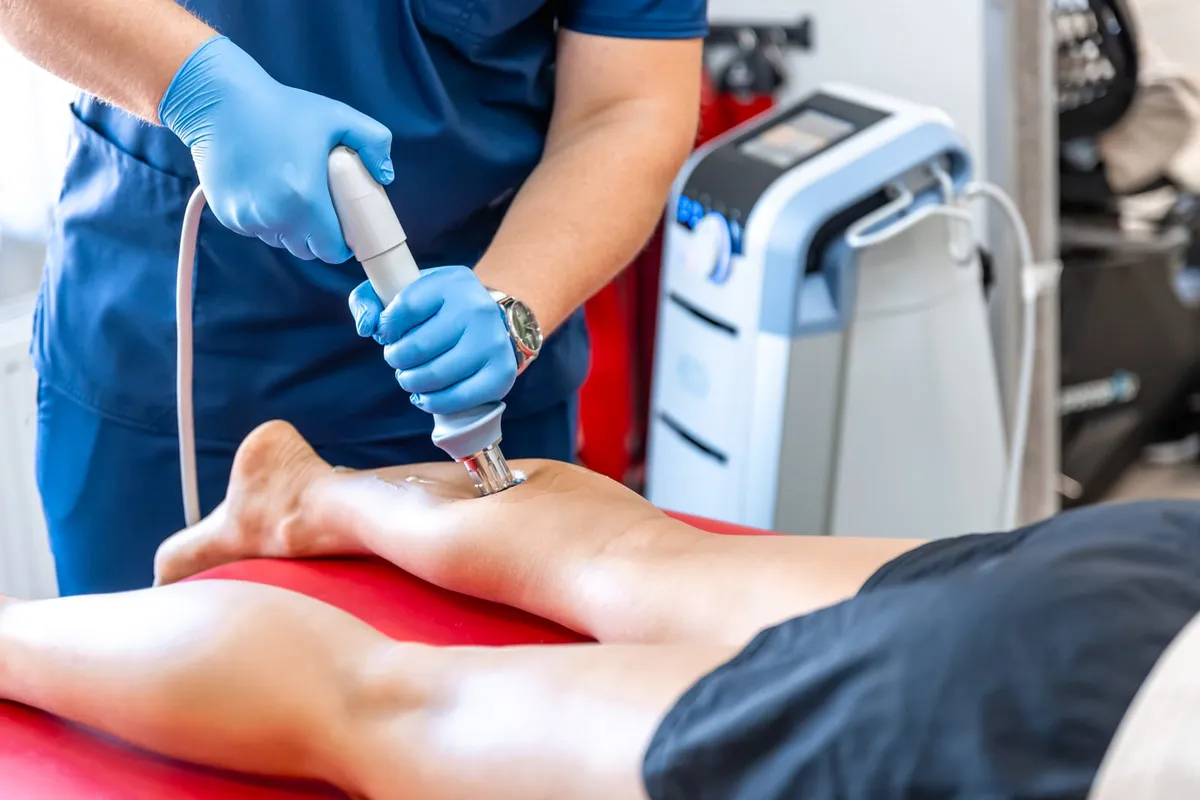
Shockwave Therapy at RiverCrest: Start with the Right Questions
Persistent discomfort can make it tempting to try any treatment that sounds new. Shockwave therapy is one option people may encounter when exploring nonsurgical care for certain musculoskeletal concerns. Understanding the type of treatment, the reason it is recommended, and how progress will be measured is more useful than focusing on a dramatic promise.
RiverCrest offers shockwave therapy in Germantown, Wisconsin. Before starting, ask the team to assess your concern and explain whether the available equipment and protocol are appropriate for it.
What does shockwave therapy mean?
The term commonly refers to treatment that delivers acoustic energy to a targeted area through a handheld applicator. Focused shockwave and radial pressure-wave systems are not identical, and the terminology used in marketing can be confusing.
Ask which system RiverCrest uses and how it relates to the proposed treatment. Evidence for one device or condition should not automatically be applied to every painful body part. A specific explanation is more helpful than a general claim that the technology heals everything.
Why the diagnosis matters
Pain near a tendon or joint can have several causes. The duration of symptoms, previous injuries, activity demands, and examination findings help determine whether shockwave is worth considering or whether another assessment should come first.
Bring a list of treatments you have already tried and explain what changed, if anything. Mention recent injections, surgery, medications, bleeding disorders, pregnancy, and relevant implants or medical devices. These details may affect treatment decisions and safety screening.
What to expect from the conversation
Ask which area would be treated, what a session may feel like, and how the clinician adjusts the treatment to your tolerance. Shockwave can be uncomfortable, and temporary soreness, redness, or bruising may occur. Your provider should explain the risks relevant to your treatment site and health history.
Report unusual symptoms during the session. Do not assume that enduring more pain produces a better result. You should know how to contact the office if symptoms after treatment are different from what was discussed.
Connect treatment to daily function
A useful goal might be walking more comfortably, tolerating a work task, or returning to a specific activity. Ask when the clinician expects to reassess those goals and what would count as an inadequate response.
Discuss how treatment fits with activity changes or rehabilitation recommended by your treating professionals. Shockwave should not become a reason to ignore the demands that repeatedly aggravate an area or to skip an appropriate diagnosis.
Plan for the full commitment
Clarify the proposed number of sessions, spacing, total cost, and whether other services are included. Ask what alternatives exist and whether your concern may improve with a different approach. It is reasonable to take time to consider the recommendation.
A sudden injury with inability to bear weight, a hot swollen joint with fever, or new progressive weakness needs prompt medical evaluation. A routine shockwave consultation is not a substitute for urgent assessment.
Related reading: Returning to Activity After a Back Pain Flare-Up.
Frequently asked questions
Is shockwave therapy the same as electrical stimulation?
No. Shockwave treatment uses acoustic energy. Other devices may use electrical or electromagnetic stimulation for different purposes.
Will one session solve the problem?
A single-session outcome cannot be promised. Response depends on the condition, the protocol, and individual factors.
Can every tendon or joint problem be treated?
No. Suitability depends on the diagnosis, treatment area, device, and safety screening. Ask RiverCrest about your specific concern.
Discuss shockwave with RiverCrest
Contact RiverCrest in Germantown to request a consultation. Bring your questions, relevant history, and a clear description of the activity you want to regain.


