
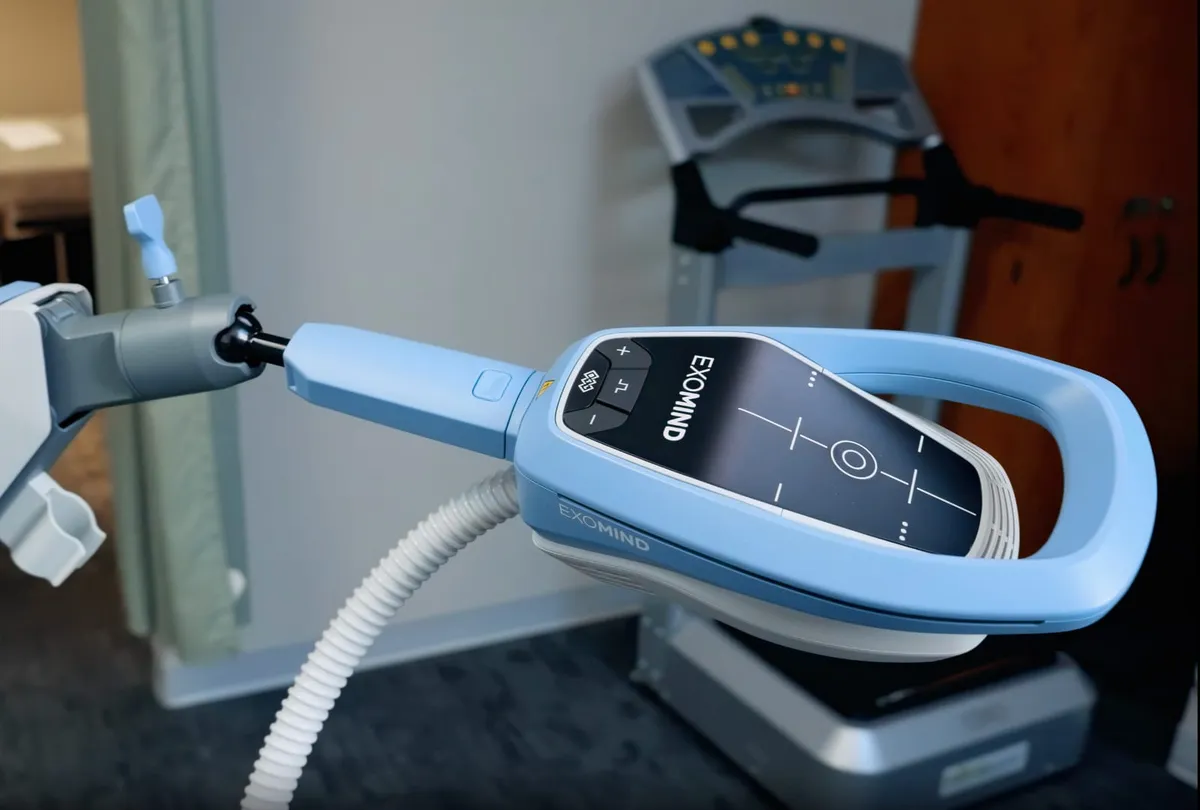
Exomind: What an Informed Consultation Should Cover
Mental health treatment decisions deserve more than a promise to feel better. Symptoms, diagnoses, treatment history, and personal goals all matter. If you are exploring Exomind, a consultation should explain who the treatment is intended for and how it would fit with your existing care.
RiverCrest lists Exomind among its services in Germantown. Ask the clinic about its clinical evaluation process, treating practitioner, and the specific treatment protocol available before deciding whether to proceed.
Understand the treatment category
Exomind uses transcranial magnetic stimulation technology. Magnetic stimulation is a medical treatment category; it should not be treated as a general guarantee of improved mood, motivation, concentration, or everyday performance.
The manufacturer's labeling includes specific conditions and eligibility requirements. For example, its adult major depressive disorder indication includes inadequate improvement from prior antidepressant medication in the current episode. Ask the treating clinician to explain the current indication and requirements that apply to your situation.
Bring your treatment history
Prepare a list of medications, prior mental health treatments, relevant diagnoses, and responses to earlier care. Include anything that helped, caused side effects, or was difficult to continue. This history supports a more informed assessment.
Do not stop medication or counseling because you are considering a device treatment. Any change to prescribed care should be discussed with the clinician responsible for that treatment, with coordination between providers where appropriate.
Ask about screening and supervision
Tell the clinician about implanted devices, metal in or near the head, seizure history, neurological conditions, and other relevant medical history. These examples are not a complete screening checklist. Eligibility should be assessed using the current device instructions and clinical judgment.
Ask who evaluates suitability, who delivers treatment, how you are monitored, and what happens if symptoms worsen. A clear plan includes both routine follow-up and instructions for concerns between appointments.
Discuss benefits, limitations, and practical commitments
Ask what outcome the plan aims to improve and how progress will be measured. Discuss the proposed schedule, total cost, possible side effects, and alternatives. Neither a testimonial nor a short treatment schedule can establish what your response will be.
If you already receive mental health care, ask how the team will communicate with your treating professional with your permission. Device treatment should fit into a coherent care plan rather than create conflicting instructions.
Related reading: A Clearer Wellness Plan Starts with One Useful Conversation.
Frequently asked questions
Is Exomind for everyday stress alone?
Do not assume that general stress establishes eligibility. Ask about the specific indication, evaluation, and evidence relevant to your situation.
Can I stop my current treatment if I start Exomind?
Do not change prescribed treatment without discussing it with your treating clinician.
Is this a crisis service?
No. If you are in immediate danger or need urgent mental health support, seek emergency assistance rather than waiting for a routine consultation.
Ask RiverCrest about an evaluation
Contact RiverCrest in Germantown to learn about its Exomind consultation process and whether an assessment is appropriate alongside your current care.


